
How to Brand a Retreat | Book Wellness Retreats
How to Brand a Retreat
How to brand a retreat is less about a logo file and more about the feeling someone gets before they ever open your itinerary. A clear brand helps people recognize that this week is for them. It builds trust, names who belongs here, and gives guests a reason to remember you when a dozen other options blur together on a phone screen.
If the purpose of the week is still fuzzy, How to Start a Retreat with Purpose is the earlier conversation. The dated plan and budget live in How to Plan a Retreat. Here we stay with edge, language, look, and story - the parts of the offer that help the right people lean in before they compare room rates.
Find Your Unique Edge
A brand that lands usually starts with one signature element you can say out loud without hedging. That might be a nature-led rhythm to the days, a cultural through-line that shapes meals and gatherings, a creative practice that sits at the center of the week, or a guest group you know better than most leaders do. The edge is not a slogan pasted on top of a generic schedule. It is the reason this week exists the way it does.
Speak to purpose and who it is for before you list the logistics. People usually want to understand who the retreat is for, what makes it different, and what the experience will feel like before digging into flight details, room types, and the hour-by-hour plan. Lead with the promise and the people, then let the schedule support that story.
Specificity does the heavy lifting. A line that names the guest and the promise usually outruns a vague wellness label that could describe almost any week. You do not need a clever roast of other retreats. You need a clearer alternative: who you serve, what you stand for, and what the week feels like when it works. Write that until a stranger could repeat it back to you without looking at your website.
When we sit with leaders on this step, the edge almost always shows up in the stories they already tell friends. The workshop they cannot wait to lead. The guest who keeps coming back. The part of the week that would still matter if half the activities had to change. Start there. Then strip out anything that sounds like filler.
Write a One-Liner That Names the Guest
Once the edge is clear, compress it into a one-liner. The job of that sentence is simple: name the guest and the promise in language you would actually say out loud. Aim for clarity and memorability - a line someone can repeat without looking at your website.
Shape matters more than polish. One labeled pattern from our planning guide looks like this: a creative writing retreat for women 40+ ready to trade burnout for beach bonfires and inspiration. That structure is who, what, and the outcome they care about. It is an example of shape, not an offer we sell. Steal the pattern, not the words. Fill it with your guest and your week.
Test the one-liner with three people who match the kind of guest you want to reach. Ask what they heard, not whether they liked the fonts. If they describe a different week than the one you plan to host, the line is still soft. Tighten the who. Tighten the promise. Cut adjectives that do not change the picture.
Keep the one-liner close while you write emails, captions, and the opening of your offer page later. Consistency is quiet work. Guests should meet the same promise on Instagram that they meet on your website, and the same promise again when they land in the welcome email. A one-liner that drifts every week forces people to re-decide whether they trust you.
You can revise the line as the retreat evolves. What you should not do is publish six different versions of the same week and hope the right guest sorts it out. Pick one clear sentence, live with it for a planning cycle, and adjust only when the guest or the promise honestly changes.
Build a Simple Visual Kit
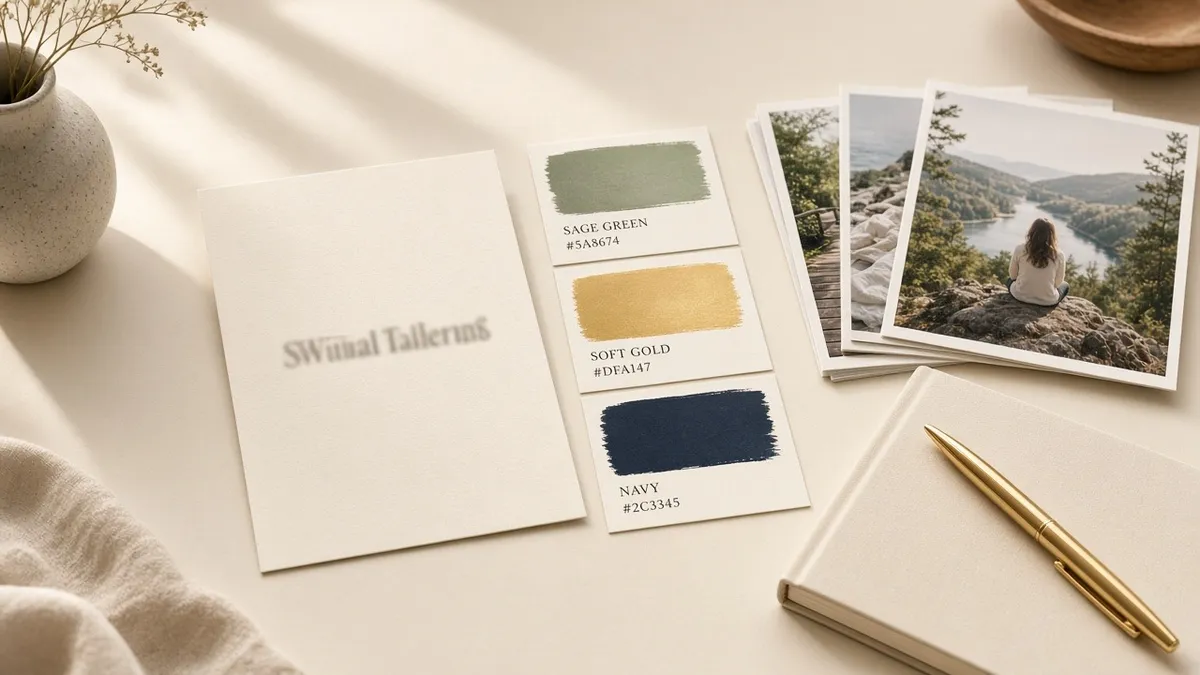
Visuals are often the first impression, so they need to match the energy of the week you actually host. Soft morning light and quiet circles ask for a different photo set than trail days, cold plunges, and late laughter at a long table. Use photography that shows the feeling, not only the venue facade. Faces, hands, meals, movement, and the in-between moments usually do more work than a polished empty room.
Cohesion beats complexity. Choose a short color palette and a small set of fonts, then use them across your site, social, and any printable pieces. Guests should feel the same brand whether they found you on a phone scroll or a printed flyer at a studio. If every post looks like a different business, trust gets harder to earn.
Match emotion on purpose. Peaceful weeks tend to favor quieter tones, slower framing, and more space in the shot. Adventurous weeks can carry stronger contrast, motion, and outdoor scale. Luxurious does not have to mean gold foil; it can mean care in the details, clean tables, and calm rooms. Playful can mean color, candid smiles, and less formal posing. Pick the emotion that fits your edge, then edit photos against that bar.
A brand kit, for our purposes, is a practical short list: palette, fonts, and tone of voice. Write three or four words for tone (warm, direct, grounded, lightly funny) and keep them next to the colors. That kit guides captions, emails, and any designer you hire later. It is not a paid package pitch. It is a one-page reference you can reuse so the look stays consistent from post to post.
If budget is tight, start with what you already have. Phone photos shot in good light, with consent and a consistent crop, beat a pile of mismatched stock. Hire for the hero images when you can. Consistency of feeling matters more than buying a full brand overhaul before your first week is even dated.
Share a Short Founder Story
Your story is what makes the brand personal without turning the offer into a memoir. Guests do not need your full timeline. They need enough of the why to trust the week and recognize themselves in it.
Share why this retreat exists and what pulled you toward hosting it. Values and vision belong here: how you treat guests, what you protect in the schedule, what kind of community you want in the room. Keep it authentic, concise, and easy to read on mobile. Connection builds trust when the story points back to the guest, not only to you.
A useful founder story answers three quiet questions. Why you. Why this week. Why now for the people you named in the one-liner. If a paragraph does not serve one of those, cut it. Save the longer origin story for a blog post or a welcome circle on day one.
When the story is honest, the right guests feel seen. When it is padded, they feel sold to. Write the version you would tell a friend over coffee, then trim it for the page.
Brand is how people recognize the week. Structure is how you protect it. When you are ready for waivers, terms, and coverage categories, see Legal Essentials for Hosting a Retreat.
A Simple Brand-Check Before You Publish Anything
Before you post, run ads, or open registration, walk this list once. Keep going only while every line still holds.
1. Edge: You can name the signature element and who the week is for without hedging.
2. One-liner: The sentence names the guest and the promise, and it stays clear and memorable when you read it aloud.
3. Visuals: Photos, colors, and fonts match the emotion of the week across the places guests will actually look.
4. Story: The founder note is short, true, and pointed at the guest, not a long autobiography.
5. Consistency: The same promise shows up in captions, emails, and the opening of the offer.
If any row fails, fix the brand before you spend money on reach. A sales page comes later in the guide. Putting a soft brand on a polished page only makes the mismatch louder. Get the edge, the line, the look, and the story steady first. Then write the page that carries them.
Leaders who skip this check often notice the gap in DMs: guests asking what the week is really for, or mixing up this retreat with another you ran last year. Sorting that out is easier before you publish than after people have already started asking.
What to Do Next
If you want the full planning, hosting, and offer work in one place, including the branding chapter this article draws from, get the free retreat planning guide. If you would rather walk through edge, one-liner, and visuals with someone who has seen both the leader side and the venue side, book a discovery call. We are happy to think it through with you.